Clones and Tracing

2025-08-13
TPS
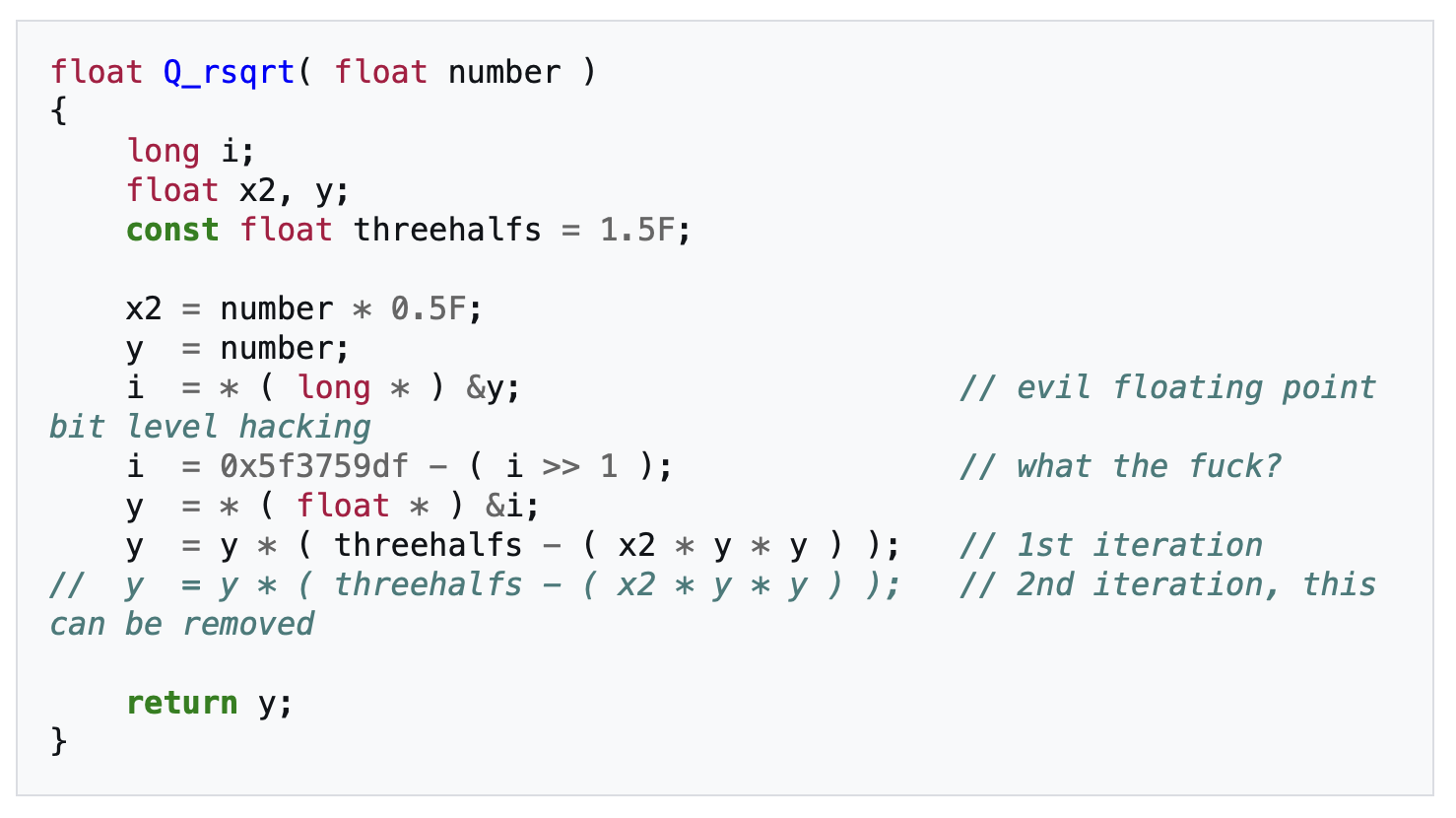
- can you be creative with software code?
- what elements are creative?
- what elements are hard to automate?
Creativity
 1
1
Clones
- how would you know if your code (from above) appeared in an ML dataset?
- (What does it mean to write like Ernest Hemingway?)
- why do we create clones? Why have you created them?
- what are the four types of clones?
- why do we want to find these things?
Recall that there are four levels of code clones:
- Type I: Identical code fragments except for variations in whitespace (may be also variations in layout) and comments.
- Type II: Structurally/syntactically identical fragments except for variations in identifiers, literals, types, layout and comments.
cont
- Type III: Copied fragments with further modifications. Statements can be changed, added or removed in addition to variations in identifiers, literals, types, layout and comments..
- Type IV: Two or more code fragments that perform the same computation but implemented through different syntactic variants.
Exercise
I’ve uploaded two files to the Teams channel. Each contains a method pair that might be a clone.
With a partner,
- load all files into your IDE
- read over them so you understand what they do.
- identify which pairings, if any, are clones, and why you say that.
- Ask an AI tool what it thinks.
- for the clones, identify which type they are

← Course Home©️ Neil Ernst