Introduction to Data Science for/in/about SE
Neil Ernst
2026-04-12
Data Science
Analytical techniques can include:
- Descriptive stats like mean/median, variance, histograms, scatterplots
- Inferential stats like Bayesian inference, maximum likelihood, hypothesis testing
- Unsupervised clustering of data
- Predicting future values of data
- Finding a function that successfully captures the generative model e.g. with a neural network
Software Data
Like many areas, software development produces tons of data:
- Productivity stats like lines of code per hour;
- Communication patterns like developer code review histories;
- Natural language text like issues and bug report dicussions
- Code and code changes;
- Tool logs like build logs;
- Application specific metrics, such as uptime or fault reports.
- many others
Data Types
- Quantitative
- Nominal
- Ordinal
- Interval/Ratio
- Symbolic
- Qualitative
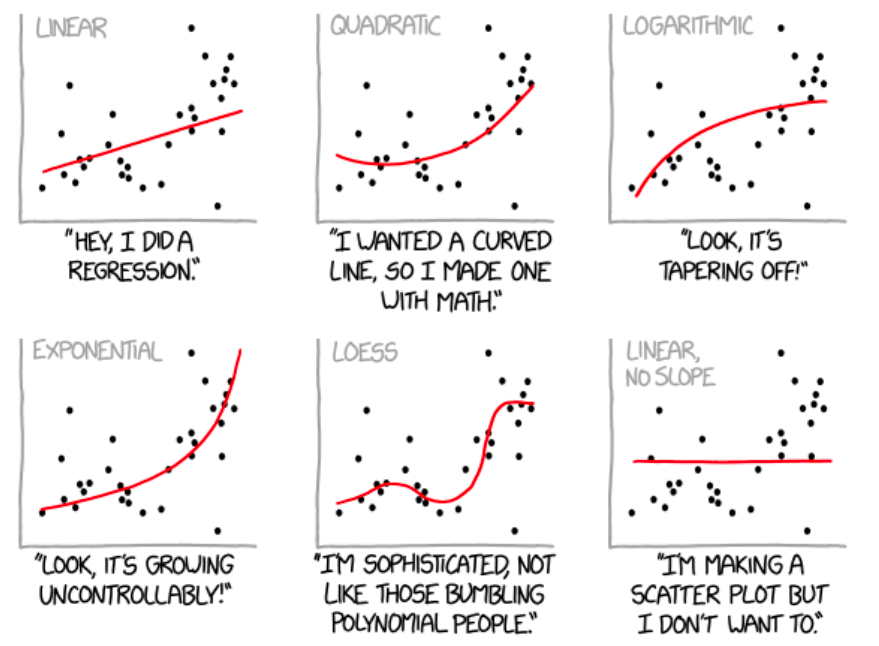
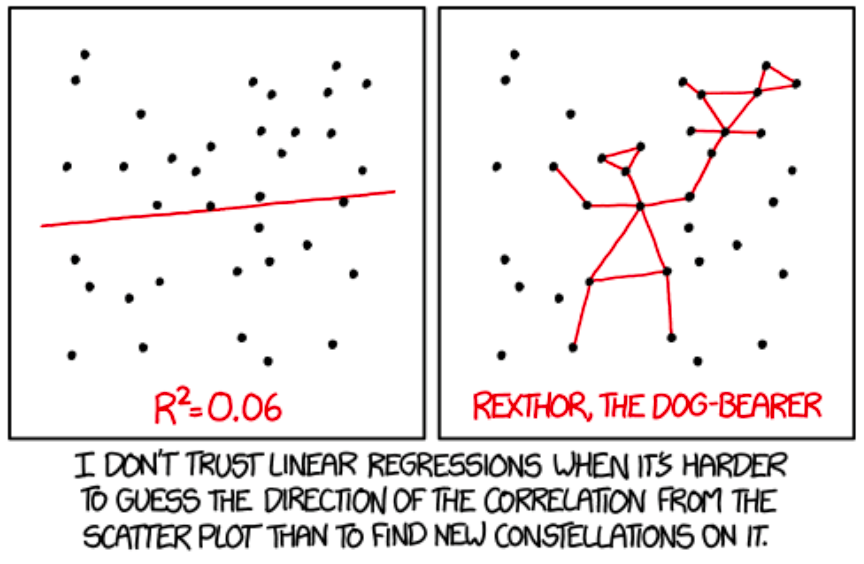
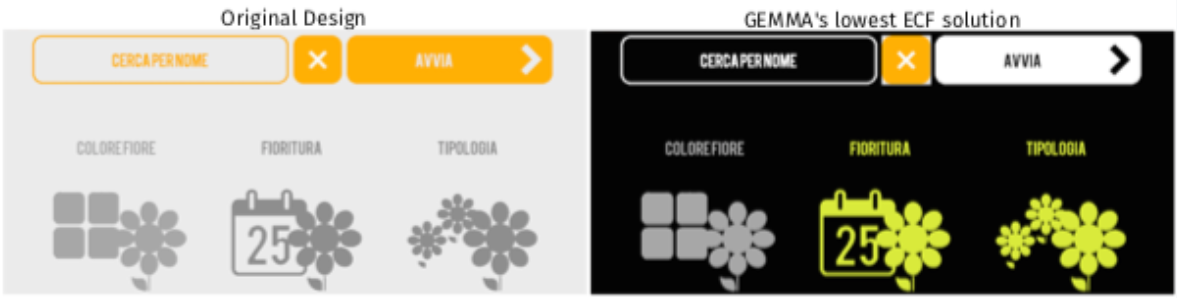
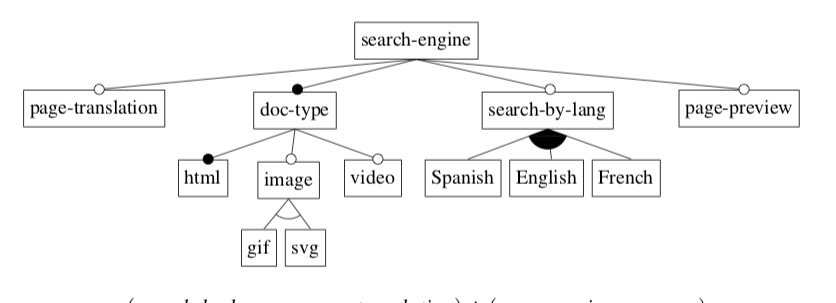
(Source: Menzies)
Nine step AI pipeline

Six steps of statistical modeling
- specification (create a model)
- identification (check if, given a new parameterization, your model’s predictions change)
- estimation (use the model to produce estimates)
- evaluation (check the model; does the estimate match reality)
- respecification (redo the model or try other models)
- interpretation
Model comparison and exploratory data analysis
When presented with data or a theory about how data is created, what should we do?
- Explore the data with few preconceptions
- look for the patterns
- Problem: this might bias us if the patterns are just noise
- Explore vs. confirm
- Confirm: verify data support/reject hypothesis
- Hard to draw a line (Hullman and Gelman, 2021)
- Better intuition: explore means comparing data (typically visually) to a pseudo-statistical model (our prior).
- Only then do we create a more rigorous statistical model and compare alternatives.
Types of tools
- Data miners, that tell us what is in the data and build a model: nearest neighbors, decision trees, deep learners
- Optimizers, that tell us what to do, specifically, how to do something simple that has the biggest positive impact: genetic algorithms, heuristic search, etc.
Ethics Implications
- how did we get the data? was there consent?
- what is missing?
- what assumptions are being made in the model?
- whose views are not included?
- (more to come later in term)
Cross Tool Logs example
- How to read the papers
- Methods used
- Types of Constructs
- Belief in Results - Practical Significance

← Course Home©️ Neil Ernst